
Республиканский совет проректоров: совершенствование системы воспитания
В Гродненском государственном университете имени Янки Купалы 6 – 7 сентября 2024 года прошел Республиканский совет проректоров учреждений высшего образования. В работе совета приняли участие заместитель Министра образования Республики Беларусь Екатерина Петруцкая, а также более 30 проректоров высших учебных заведений страны.
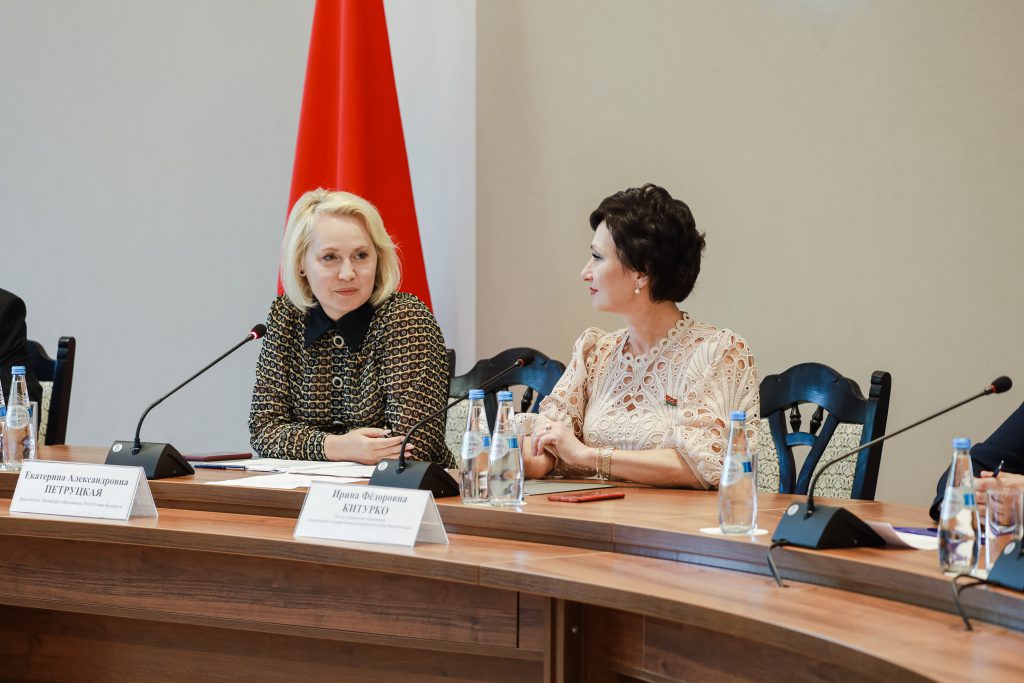
Основной темой заседания стали вопросы идеологического и воспитательного аспекта, касающиеся формирования ценностных ориентаций студентов, развития патриотизма, а также внедрения инновационных методик обучения и воспитания.
С приветственным словом к участникам обратилась ректор ГрГУ имени Янки Купалы Ирина Китурко. Важность обсуждения ключевых аспектов работы идеологического сектора в начале учебного года подчеркнула в своем выступлении заместитель Министра образования Республики Беларусь Екатерина Петруцкая.
Она акцентировала внимание на студенческом сообществе, называя его сообществом умных, талантливых, молодых людей, обладающих собственными взглядами и готовых их аргументировать. Екатерина Александровна обозначила необходимость диалога с молодежью на равных, стремление к конструктивному диалогу, в котором участвующие стороны могут обмениваться мнениями, идеями и аргументами для совместной работы над улучшением образовательной среды и условий для развития воспитанной молодежи в стране.
– Воспитательная и идеологическая работа – это крайне важные вопросы, на которых мы сегодня должны сосредоточиться абсолютно все в сфере образования, – обозначила заместитель Министра.
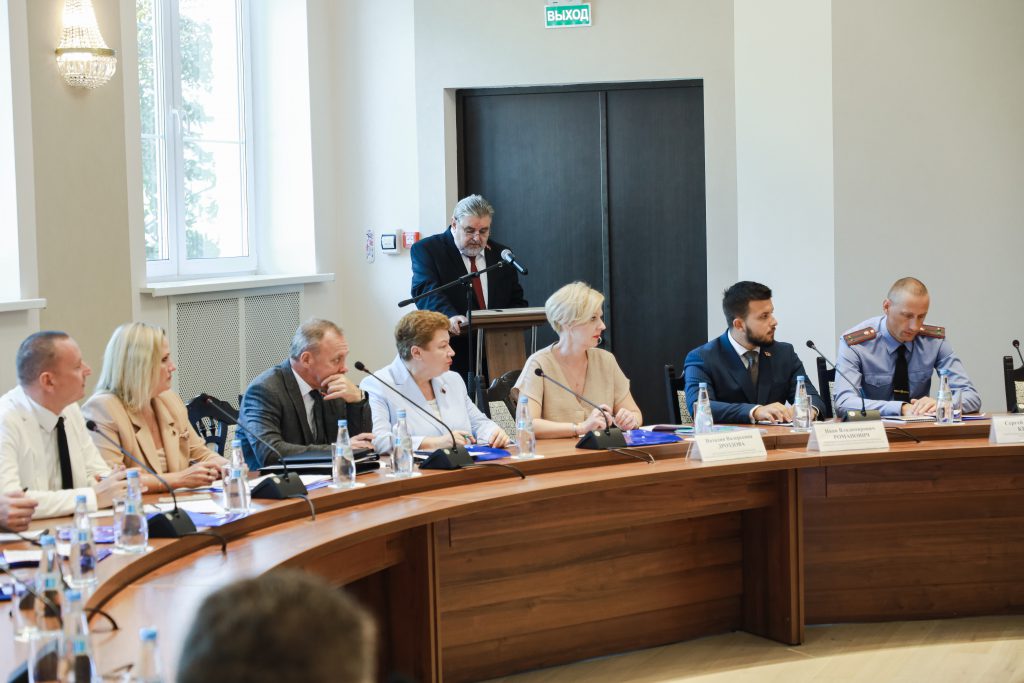
Во время мероприятия обсуждались вопросы идеологического, воспитательного характера, направленные на формирование ценностных ориентаций студентов, развитие патриотизма, внедрение инновационных методик обучения и воспитания, рассматривались перспективы развития и совершенствования высшего образования в стране.
В ходе заседания участники обменялись опытом своих учреждений образования в сфере молодежной политики, обсудили усиление мер по профилактике противоправных действий в молодежной среде, работу студенческих объединений. Проработали вопросы обеспечения информационной безопасности и обозначили ряд приоритетных задач в трудовом коллективе, направленных на совершенствование системы воспитания обучающихся и идеологической работы.
В рамках заседания состоялось также рассмотрение инновационных подходов в работе педагогических работников, заместителей деканов по идеологической и воспитательной работе с молодежью.
Были намечены и обсуждены приоритетные направления в работе с трудовыми коллективами и обучающимися.
Напомним, Республиканский совет проректоров учреждений высшего образования начал свою работу 24 июля 2023 года. В его состав вошли проректоры по идеологической и воспитательной работе, начальники или их заместители управлений (секторов) по идеологической и воспитательной работе с молодежью, отделов идеологической работы. Председатель Республиканского совета проректоров учреждений высшего образования Министерства образования Республики Беларусь – проректор по идеологической и воспитательной работе ГрГУ имени Янки Купалы Василий Сенько.
Цель совета проректоров – совершенствование системы воспитания обучающихся и идеологической работы в трудовом коллективе, взаимодействие учреждений высшего образования и формирование государственно-общественной системы управления в высших учебных заведениях.
Диана СТЕПАНОВА.
Фото из архива университета




Space Waves teaches players how to stay calm under pressure, how to accept mistakes and immediately get back up and try again, transforming the gameplay into a journey of patience and focus.
Ну, вот это действительно важно! Имела опыт общения с молодыми студентами, которые иногда не понимают, чего хотят от учебы. Так что такие обсуждения просто необходимы. Кстати, нашла интересный ресурс, где можно почитать про новые методики обучения, https://fnfspaghetti.net/.
Очень важные темы поднимаются на совете, особенно про формирование ценностных ориентаций и необходимость диалога с молодежью. Приятно видеть, что об этом говорят на таком уровне,
https://hydraheli2.org/
Интересно прочитать об этом совещании! Особенно понравилось, как Екатерина Петруцкая подчеркнула важность диалога со студентами на равных – это действительно то, что нужно в современном образовании. Кстати, если кому-то нужна информация в реальном времени о различных событиях и активностях, я часто пользуюсь Hockey Scoreboard Online (hockeyscoreboardonline.com) для отслеживания молодежных спортивных мероприятий, которые тоже отличная часть воспитания молодежи.
https://www.hockeyscoreboardonline.com/
Интересная статья про развитие воспитательной системы в вузах! Особенно понравилось, как подчеркивается важность диалога с молодежью на равных — это действительно ключевой момент в образовании. У нас в университете тоже много внимания уделяют патриотизму и ценностным ориентациям студентов, так что знаю, о чем идет речь. Кстати, для развития активности студентов у нас еще используют спортивные мероприятия — если интересно, на Basketball Scoreboard Online можно посмотреть инновационные подходы к организации спортивных событий в вузах.
https://www.basketballscoreboardonline.com/
Спасибо за подробный отчет о совещании! Очень интересно читать о том, как вузы работают над совершенствованием воспитательной работы и патриотизма студентов – это действительно важная тема. Идея диалога со студентами на равных, которую подчеркнула Екатерина Петруцкая, мне кажется ключевой для настоящего образования.
https://relhosttools.com/pages/wholesale
Interesting to see how the focus is on building values and patriotism in students—wonder if they discussed how modern teaching methods can support that goal. Always cool to hear about initiatives that shape not just minds but character too. Check out this daily movie game for a fun break between serious talks.
Interesting to see how the focus is on building values and patriotism in students—wonder if they discussed how modern teaching methods can support that goal. Always cool to hear about initiatives that shape not just minds but character too. Check out this daily movie game for a fun break between serious talks.
Спасибо за подробный отчет о заседании Республиканского совета проректоров! Особенно понравилось, как Екатерина Петруцкая подчеркнула важность конструктивного диалога с молодежью на равных – это действительно ключевой момент в современном образовании. Кстати, если говорить об инновационных методиках обучения и воспитания, которые обсуждались на совете, то рекомендую посмотреть на educational3dprinter.com – там есть интересные решения для образовательных учреждений, включая 3D-принтеры для обучения, которые могут помочь развивать творческие навыки у студентов.
https://educational3dprinter.com/
nice post!!
geometry dash
Интересный материал о работе Республиканского совета проректоров. Отдельно радует, что участники уделили внимание инновационным методикам в воспитании и формировании ценностных ориентиров у студентов. В этом контексте мне кажется полезным обратить внимание на современные технологии, которые помогают молодым людям лучше понять себя — например, сервис AI-анализа личности по ладони. Он использует компьютерное зрение для определения черт характера и даже потенциала развития, что может стать необычным дополнением к традиционной воспитательной работе и стимулировать саморефлексию у учащихся.
Статья затрагивает важнейшую тему – совершенствование воспитательной работы и внедрение инновационных методов в высшее образование. В этом контексте хочется отметить, что современные цифровые инструменты могут существенно облегчить как учебный, так и исследовательский процесс. Например, на платформе инновационные методики визуализации данных можно быстро создавать профессиональные научные иллюстрации, графики и блок-схемы без глубоких знаний программирования. Это позволяет преподавателям и студентам тратить меньше времени на техническую подготовку материалов и больше – на содержательный диалог, воспитание критического мышления и патриотизма, о котором так верно говорится на совете проректоров.
Thank you for sharing such a thoughtful analysis on the enhancement of educational systems within your institution. The emphasis on improving nurturing practices is crucial, and I appreciate how the article highlights the role of educators in this transformative process.
From my perspective, integrating more interactive learning methods—like games found at block blast free—could further engage students and promote their emotional well-being. It would be wonderful to see more discussions about blending traditional teaching with innovative approaches that inspire creativity and collaboration among students. Keep up the great work!
Очень своевременная тема — внедрение инновационных методик обучения и воспитания действительно требует пересмотра традиционных подходов. Особенно важно это в работе с молодежью, которая привыкла к интерактивным форматам. К слову, для изучения иностранных языков отлично зарекомендовали себя игровые методы: они повышают вовлеченность и позволяют осваивать материал в естественном контексте. Например, на сайте игровые методы изучения китайского можно практиковаться через увлекательные задания, что делает процесс обучения более эффективным и запоминающимся. Думаю, такой подход можно масштабировать и на другие дисциплины.
Interesting to see how universities are focusing on building values and patriotism through dialogue rather than top-down lectures. The part about meeting students «on equal terms» really stands out—hope that translates into real classroom changes. If only all education forums were this thoughtful, maybe more students would care—kinda like how Toon Tone gets people to pay attention through simple, smart interaction.
Очень интересно узнать о Республиканском совете проректоров! Обсуждение идеологического, воспитательного аспектов и формирования ценностных ориентаций студентов в начале учебного года — это крайне актуально. Понравилась мысль о диалоге с молодежью на равных, ведь студенты обладают собственными взглядами. Такие инициативы очень важны для развития образовательной среды, а эффективные инструменты, вроде BA II Plus Financial Calculator, могут помочь студентам в учебе.
Полезная статья о Республиканском совете проректоров! Очень важно, что уделяется такое внимание формированию ценностных ориентаций студентов, патриотизму и инновационным методикам. Приятно видеть такой акцент на диалоге с молодежью и стремлении к совместной работе над улучшением образовательной среды. Ценю такие глубокие обсуждения, как на Block Poster, они способствуют реальным изменениям. Спасибо за информацию!
Отличная статья! Всегда интересно узнать о таких важных инициативах, направленных на совершенствование системы воспитания в вузах. Особенно радует акцент на диалог с молодежью и формирование
Большое спасибо за содержательную статью! Очень важно, что Гродненский государственный университет имени Янки Купалы стал площадкой для обсуждения таких актуальных вопросов, как формирование ценностных ориентаций и развитие патриотизма у молодежи. Особо импонирует акцент на необходимости диалога с молодым поколением на равных, ведь именно так можно построить по-настоящему эффективную систему воспитания. Это отличный пример того, как учреждения высшего образования стремятся улучшить образовательную среду, а благодаря современным технологиям, таким как Text To Cartoon Video, можно найти новые подходы к обучению и воспитанию.
Очень своевременная и актуальная тема — особенно в свете цифровизации образования и воспитательной работы с молодёжью. Инновационные методики обучения сегодня всё чаще опираются на цифровые технологии и данные, что открывает новые возможности для формирования ценностных ориентиров и патриотизма у студентов. Кстати, тем, кто интересуется современными подходами в образовании и науке, будет полезен ресурс, где собраны новости и инструменты ИИ для науки и исследований. Там можно найти как аналитику, так и практические решения для внедрения технологий в учебный процесс.
Очень интересно узнать о Республиканском совете проректоров и их обсуждении столь важных вопросов, как формирование ценностных ориентаций и патриотизма у студентов. Диалог с молодежью на равных, о котором говорила Екатерина Петруцкая, — это то, что действительно нужно для развития образовательной среды. Важно поддерживать такие инициативы, ведь именно они закладывают основу для будущего наших стран, а порой и для глобальных событий, как, например, предстоящий 2026 FIFA World Cup Simulator. Спасибо за освещение этой важной темы!
Интересно, что на совете проректоров обсуждали не только традиционные вопросы патриотизма, но и внедрение инновационных методик воспитания. Кстати, я недавно наткнулся на stealabrainrot, там как раз есть материалы про современные подходы в образовании.
It’s always interesting to read about these high-level administration meetings on ‘youth upbringing.’ But let’s be real, there’s often a massive disconnect between these official strategies and actual campus life. You can plan all the formal university events you want, but nowadays you’re competing for attention with kids just hiding in their dorms playing Sprunki Pyramixed or scrolling TikTok for hours. If universities really want to improve student engagement, they need to connect with youth on their level, not just inside council rooms.
В материале хорошо показано, что воспитательная работа держится не только на планах, но и на живой среде: студенческих инициативах, диалоге и понятных форматах участия. Особенно важна мысль о практических инструментах, которые помогают молодым людям проявлять себя. Сегодня к таким форматам можно отнести и цифровое творчество: музыкальные интерактивные проекты вроде Sprunki Phase 16 показывают, как игра, звук и самостоятельный выбор вовлекают аудиторию в обучение и коммуникацию.
It’s interesting that the discussion at the Rector’s Council is focusing so heavily on dialogue with students, emphasizing the need to meet them «on equal footing.» That really resonates with me. When you’re trying to build something new, whether it’s a better educational system or, in my case, a more integrated energy solution, you can’t just dictate terms. You have to understand the perspectives of those you’re working with. I was just reading about how Spire ESS approaches connecting different energy components – it’s all about creating seamless pathways and understanding the needs of installers and distributors to make things work efficiently. It feels like that same principle of collaborative understanding is key in any complex system, especially when shaping young minds.
The emphasis on forming students’ value orientations and fostering patriotism at the Republican Council of Rectors sounds like a crucial initiative, especially given the current global climate. It’s interesting that Deputy Minister of Education Petrutska highlighted the need for dialogue with students «on equal footing.» I’ve found in my own work with educational content creation, particularly when trying to engage younger audiences with visual information, that understanding their perspectives and speaking their language is paramount. Sometimes, just reformatting content to fit their preferred platforms, like using an AI Image Extender for social media, can make a huge difference in how it’s received. It’s all about meeting them where they are.
It’s encouraging to see the focus on strengthening the ideological and educational aspects of student development. I particularly resonate with the point about needing a constructive dialogue with students, recognizing them as individuals with their own perspectives. This isn’t just about imparting knowledge but about fostering critical thinking and a sense of civic responsibility. It reminds me of how crucial it is to have clear, well-defined visuals that communicate complex ideas effectively, much like how effective educational materials need to be clear. We developed a tool, AI Image Extender, to help creators adapt images for different platforms, and the principle of clear communication is at its core. It’s vital that educational institutions also find innovative ways to communicate their values and foster engagement.
It’s interesting that the Deputy Minister emphasized the importance of an «equal dialogue» with students, calling them «smart, talented young people with their own views.» That really resonated with me. It’s so crucial to not just lecture, but to actually engage with their perspectives, especially when it comes to shaping values and patriotism, as the article highlights. Trying to foster that kind of understanding and open communication reminds me a bit of how we approach things at Cursor Camp. We focus on building community and sharing knowledge, and a big part of that is creating a space where everyone feels heard and can contribute. If anyone’s curious about creative ways to build that kind of engaged community, I often point people to Cursor Camp Guide – it’s got some neat ideas for organizing and sharing.
It’s interesting how the article highlights the need for dialogue with students, emphasizing them as «smart, talented young people with their own views.» That really resonates with me because effective communication, especially when trying to convey complex ideas, is so crucial. It’s not just about presenting information, but fostering understanding.
This reminds me of how important clear, precise communication is in my own work with Morse code. Getting the message across accurately, especially in real-time, requires a shared understanding of the «language» and a focus on clear transmission. It’s a different context, of course, but the principle of building bridges through communication feels universal. If anyone’s curious about the intricacies of coded communication, I’ve found MorseTranslator.codes to be a fantastic resource for understanding how signals are sent and received.
It’s interesting how the article highlights the focus on ideological and educational aspects, particularly concerning the formation of students’ value orientations and patriotism. The idea of engaging in a «constructive dialogue» with students, recognizing them as individuals with their own views, really resonates. It reminds me of the importance of truly understanding someone’s perspective before making a decision, a concept I’ve seen explored in various contexts, including the valuable insights on Before You Ink when considering long-term choices. I wonder how these discussions translate into concrete strategies for fostering critical thinking alongside traditional values.
The emphasis on fostering patriotism and developing students’ value systems is a crucial point. It’s interesting how they highlighted the need for dialogue «on equal terms» with young people, recognizing them as intelligent individuals with their own perspectives. This approach feels more effective than a top-down method. I found a similar perspective on Marvel Rivals S8 Tools that complements this well, focusing on community building and understanding diverse viewpoints. It makes me wonder what specific innovative methods were discussed that could truly engage a generation accustomed to rapid information flow and diverse online interactions.
The point about the need for dialogue with students on equal footing really resonates. It’s so easy for educators to fall into a lecture-style approach, but as the article points out, today’s students are articulate and have their own perspectives. Fostering that kind of constructive conversation seems crucial for genuine ideological and patriotic development, rather than just top-down instruction. I found a similar perspective on Marvel Rivals S8 Tools that complements this well, emphasizing how understanding player motivations is key to effective communication in competitive environments. It makes me wonder how these principles can be more widely implemented across all levels of education.
It’s interesting that the Deputy Minister emphasized the need for dialogue with students «as equals,» acknowledging they have their own views and are ready to defend them. That’s a crucial shift from just top-down instruction. It actually reminds me a bit of how we approach planning in Wizard Alchemy Hub. We’re constantly looking at player feedback and data to refine our guides, trying to anticipate what players actually *need* and how they think about their progression, rather than just telling them what to do. It’s all about understanding the motivations and perspectives of the people you’re trying to guide, whether it’s in education or in strategizing for a game. What do you think is the biggest hurdle in fostering that «dialogue as equals» in a university setting?
The emphasis on fostering patriotism and developing students’ value systems during this Republican Council of Rectors meeting sounds like a really important initiative. It’s crucial for higher education institutions to not just impart knowledge but also shape well-rounded individuals. I found a similar perspective on Borderlands 4 toolkit that complements this well, highlighting how even in complex systems, clear objectives and a structured approach to development can lead to significant improvements. The idea of having a dialogue with youth «on equal footing» is particularly resonant; it implies a shift from top-down instruction to a more collaborative approach to guidance, which I think is key for genuine engagement.
The emphasis on fostering patriotism and developing students’ value systems really resonates. It’s a challenging area, especially with how quickly students form their own opinions. The idea of «dialogue on equal footing» is crucial; it’s not about dictating but about engaging with their perspectives. I found a similar perspective on Borderlands 4 toolkit that complements this well, discussing the importance of understanding player motivations to build better engagement. This approach of open communication feels like the most effective way to guide and inspire young minds.
It’s interesting to see the focus on fostering dialogue with students and building their sense of values, especially when they’re described as having «their own views and are ready to argue them.» That reminds me of how important it is to have clear, well-defined processes when you’re trying to achieve a specific outcome. Like when you’re getting a car detailed – you need to know exactly what you’re getting, and the service needs to be structured to deliver on that. It’s all about setting expectations and then executing flawlessly. Speaking of seamless experiences, if you’re ever looking for a quick way to get a car looking its best without the hassle, I found this site that sets up mobile detailing appointments really fast: neardetailer.com. It’s all about efficiency and getting the right result, much like effective education, I suppose!
It’s interesting to see the emphasis on fostering patriotism and developing students’ value systems in this meeting of rectors. The point about engaging in «constructive dialogue» with students, acknowledging them as individuals with their own views, really resonates. It reminds me of how crucial clear communication and understanding are, not just in academics but in any community-building effort. I found a similar perspective on Cursor Camp Guide that complements this well, highlighting the importance of meeting people where they are. Hopefully, these discussions lead to practical, impactful strategies for student development.
The discussion on strengthening the ideological and educational aspects, particularly in forming students’ values and fostering patriotism, is incredibly timely. It’s interesting how Deputy Minister of Education Petrutska highlighted the need for a dialogue with students «as equals,» recognizing them as individuals with their own viewpoints. This echoes the sentiment that effective guidance isn’t about dictating, but about engaging. I found a similar perspective on Cursor Camp Guide that complements this well, emphasizing that understanding the audience is the first step to meaningful interaction. It makes me wonder how universities are practically implementing this «dialogue as equals» approach across different faculties and student groups.
It’s interesting that the article emphasizes the need for dialogue with students on equal footing, especially when discussing values and patriotism. It reminds me a bit of how important clear communication and understanding are in the gaming community, particularly when you’re trying to gauge the value of something like a rare item. You can’t just dictate terms; you have to understand the other person’s perspective and what they see as fair. It’s all about finding that balance where both sides feel respected. Speaking of fair trades and assessing value, I’ve found a resource that helps with that in the gaming world: bloxfruitstrades.com. It makes figuring out if a trade is a win or a loss pretty straightforward. Do you think this «dialogue on equal footing» approach could be applied even more broadly in educational settings?
It’s interesting that they’re focusing on fostering patriotism and values in students, especially with the mention of «dialogue with youth on equal terms.» That kind of open discussion feels crucial, not just in education but in any community where different perspectives need to mesh. It reminds me a bit of how we approach building a cohesive community in the Horizon festival – you have all these different players with their own styles and goals, but the best experiences come from finding common ground and encouraging positive interaction. If you’re ever looking for a place where strategy meets creative expression, you might find something to enjoy over at horizon6guide.com. Just a thought!
The focus on fostering patriotic values and constructive dialogue with students at the Republican Council of Vice-Rector’s meeting sounds incredibly relevant. It’s easy for educational institutions to get caught up in academic rigor, but the article highlights how crucial the ideological and ethical development of students is. I found a similar perspective on NTE Codes Hub that complements this well, emphasizing the importance of building community and shared purpose, which directly relates to forming those «value orientations» mentioned. It makes me wonder how these innovative methodologies will translate into practical, day-to-day interactions with students who, as the Deputy Minister pointed out, have their own strong viewpoints.
It’s interesting to see the focus on refining the ideological and educational aspects of university life. The emphasis on fostering patriotism and building value systems in students is a critical undertaking. I agree with the point that engaging in a dialogue with young people on equal footing is essential, especially given their capacity for independent thought and argumentation. It makes me wonder about the specific innovative methods discussed for achieving these goals. I found a similar perspective on NTE Codes Hub that complements this well, highlighting the importance of understanding how different communities engage with educational frameworks.
Заместитель министра образования, Екатерина Петруцкая, очень точно подметила, что студенческое сообщество — это не просто слушатели, а люди со своими взглядами, которые готовы их отстаивать. Это действительно ключевой момент, ведь без уважительного и конструктивного диалога на равных, попытки воспитания могут оказаться неэффективными. Интересно, какие именно инновационные методики обсуждались на совете, ведь студенты сегодня очень разные, и универсальных подходов уже не существует. Мне иногда приходится сталкиваться с необходимостью подготовки документов, где требуется строгое соответствие фото требованиям, и тогда понимаешь, как важны детали даже в самых обыденных вещах. Нашла неплохой сервис, который помогает с такими задачами, как AnyPassportPhoto, где можно проверить все требования и подготовить фото правильно.
It’s interesting that the discussion at the Republican Council of Rectors focused so heavily on the ideological and educational aspects, particularly in shaping students’ values and fostering patriotism. The point about needing to engage in a constructive dialogue with students «on equal footing,» as highlighted by Deputy Minister of Education Ekaterina Petrutskaya, really resonated with me. It suggests a shift from a more top-down approach to one that recognizes students as active participants with their own perspectives. This is crucial, especially as they navigate their formative years and begin to form their own worldviews. I’ve seen how effective it can be when educators truly listen and validate student opinions, making them feel heard and respected. It makes me wonder how many institutions are truly implementing this «dialogue on equal footing» in practice. I found a similar perspective on ai colorpage that complements this well, discussing how open communication can foster a more engaged learning environment.
The emphasis on dialogue with students as a community of «smart, talented, young people with their own views» really resonates. It’s crucial that educational institutions create an environment where students feel heard and respected, rather than just being passive recipients of information. This approach seems much more effective for fostering genuine engagement and developing a strong sense of values and patriotism. I found a similar perspective on fostering student voice and critical thinking on Plants vs Brainrots Hub that complements this well. It’s encouraging to see these discussions happening at a national level.
It’s interesting that the Republican Council of Vice-Rectors is focusing so heavily on the ideological and educational aspects of student development, particularly highlighting the formation of value orientations and patriotism. I found a similar perspective on how to approach complex systems and planning in my work with a Minecraft enchantment Calculator, which also requires careful consideration of components and their interactions to achieve optimal results. The emphasis on constructive dialogue with students as «communities of smart, talented, young people with their own views» is particularly resonant. It suggests a shift towards empowering students and fostering critical thinking, rather than just imparting information. This approach feels more aligned with preparing graduates for a dynamic world, where adaptability and independent thought are paramount.
It’s interesting to see the focus on «dialogue with youth on equal footing» and «constructive dialogue» as central themes in improving the educational system. This echoes some of the challenges and strategies discussed in community building, where understanding and respecting individual perspectives is key. While the context is higher education, the principle of engaging with a diverse group that’s developing its own viewpoints feels universally applicable. I found a similar perspective on KCD2Quest that complements this well, highlighting the importance of open communication and shared understanding when navigating complex systems. It makes me wonder how these approaches might translate into practical, everyday interactions within university settings.
The focus on ideological and educational aspects at the Republican Council of Vice-Rectors strikes me as particularly relevant this year. It’s interesting that they highlighted the need for dialogue with students as equals, recognizing them as individuals with their own viewpoints. This echoes some of the sentiments I’ve seen discussed regarding how to best connect with younger generations today; I found a similar perspective on Song For You that complements this well. It seems crucial to approach student engagement with genuine respect and a willingness to understand their evolving perspectives, rather than just imposing established ideas.
The emphasis on fostering patriotism and shaping students’ value systems through dialogue is a critical point raised at the Republican Council of Vice-Rectors. It’s refreshing to see the Ministry of Education acknowledging the need for a «dialogue on equal footing» with young people, recognizing them as active participants with their own views. This approach feels much more effective than top-down directives. I’ve seen how vital this kind of engagement is, even in simpler creative contexts; for example, I found a similar perspective on ai colorpage that complements this well, where truly understanding and responding to user input leads to better outcomes. It makes me wonder how these principles of open communication and value alignment can be further integrated into university curricula beyond just formal ideological sessions.
The emphasis on fostering patriotism and implementing innovative educational methods at the Republican Council of Vice-Rectors is particularly noteworthy. It’s refreshing to hear the Deputy Minister of Education highlight the importance of a dialogue with students as intelligent individuals with their own viewpoints. This resonates with my own experiences; sometimes, simply listening and engaging thoughtfully can unlock so much potential. It makes me wonder how these discussions translate into practical, everyday interactions within universities. I found a similar perspective on ai colorpage that complements this well, discussing how creative engagement can foster deeper understanding and connection, which seems applicable even in academic settings.
Заместитель министра образования, Екатерина Петруцкая, очень точно подметила, что студенческое сообщество — это люди с собственными взглядами, которые готовы их отстаивать. Мне кажется, такой подход к диалогу, «на равных», очень важен, особенно когда речь идет о формировании ценностных ориентаций. Это больше похоже на наставничество, чем на простое чтение лекций. Я сама иногда сталкиваюсь с тем, что молодежь ищет не просто информацию, а понимание и поддержку в своих идеях, и я нашла похожий подход к разбору игровых механик на Abyss Roblox Codes, который тоже строится на предоставлении быстрых и проверенных ответов. Очень интересно, какие именно инновационные методики внедрения обсуждались на совете.
Затронутая тема формирования ценностных ориентаций студентов действительно актуальна, особенно в свете того, как быстро меняется мир и какие новые вызовы стоят перед молоде
Интересно, что акцент делается именно на «диалоге с молодежью на равных» и «конструктивном диалоге». Это, на мой взгляд, ключевой момент в воспитательной работе. Когда студенты чувствуют, что их мнение уважают и готовы выслушать, они и сами более открыты к обсуждению ценностей и формированию своей позиции. Я нашла похожую мысль о важности понимания индивидуальных черт в контексте личностного развития, например, на sbti personality test, и это, мне кажется, пересекается с идеей о необходимости индивидуального подхода и в воспитании, а не только общих установках. Важно, чтобы такие советы не оставались формальностью, а действительно приводили к изменению подходов на местах.
The emphasis on enhancing the system of student upbringing and fostering patriotic values is certainly a critical focus, especially at the start of a new academic year. I found the discussion about engaging with students as «smart, talented young people with their own views» particularly resonant. It highlights the need for a more collaborative and respectful dialogue, rather than a top-down approach. This reminded me of how important accurate planning and resource management are in any large-scale project, and I found a similar perspective on the necessity of precise calculations for materials when I was looking into a Concrete Calculator online recently, which got me thinking about how detailed planning supports broader goals. It’s encouraging to see educational leaders prioritizing these aspects of student development.
Making the student community a priority in discussions about ideological and educational development seems like a crucial step. The emphasis on dialogue with young people as equals, rather than just lecturing them, resonates with me. It’s easy to forget that students today are incredibly engaged and have their own perspectives, as highlighted by the Deputy Minister. Fostering that kind of constructive conversation, where their unique viewpoints are acknowledged and integrated, could really be transformative for the entire educational process. I found a similar perspective on AI Rap Creator that discusses how to engage audiences with authentic and relatable content, which seems to echo the sentiment of meeting young people where they are.
Очень интересная и своевременная статья о Республиканском совете проректоров! Здорово, что уделяется такое большое внимание формированию ценностных ориентаций и патриотизма у студентов. Диалог с молодёжью на равных – это ключ к успешному развитию образовательной среды, как правильно отметила Екатерина Петруцкая. Хотелось бы побольше узнать об инновационных методиках. А если кому-то нужно что-то измерить, например, площадь комнаты, всегда пригодится square feet calculator.
The emphasis on «dialogue on equal terms» (диалога на равных) in shaping student values really resonates. It’s so easy for institutions to talk *at* students, but truly engaging them requires acknowledging their existing perspectives and the nuances of their generation. This mirrors the approach needed in other areas, like how we present new design ideas; for example, I found a similar perspective on AI Yard Planner that complements this well, focusing on user-driven input for best results. It’s about fostering that mutual understanding and respect, which I imagine is crucial for building genuine patriotism and a strong sense of community within universities.
The emphasis on fostering patriotism and shaping students’ value orientations seems like a critical discussion point, especially given how dynamic young people are. I found a similar perspective on InkBolt that complements this well, highlighting the need for institutions to adapt their approaches. It’s interesting that Deputy Minister Petrutskaya stressed the importance of an equal dialogue with students. This resonates with me because, from my experience generating tattoo designs, understanding the client’s vision and communicating it effectively is paramount to achieving a successful outcome. It sounds like the council is tackling a complex but vital area for higher education.
Особенно важной представляется мысль о диалоге со студентами на равных, когда молодые люди могут аргументировать свои взгляды и участвовать в улучшении образовательной среды. Такой подход развивает не только ценностные ориентиры, но и ответственность за собственные решения. Похожий принцип понятной и структурированной подачи информации использует Horsey Game Blog в своих руководствах для начинающих.
This is the kind of post I wish I’d found sooner.
Normally I see people paste Morse into comments and someone else slowly works through the dots and dashes. The Morse Code Translator is a cleaner way to handle that because it decodes Morse to English and converts English back to Morse right on the page. It also gives you audio, a download option, and light flashing. That makes it more useful than just keeping a chart open in another tab.
It’s interesting to see the emphasis placed on dialogue with students as «communities of smart, talented, young people with their own views.» I’ve found that fostering genuine engagement, rather than just delivering information, really makes a difference in how students connect with the material and their university. It reminds me a bit of how effective strategy games require understanding your opponent’s perspective and adapting, which is something I often think about when playing something like FrontWars.io. The idea of «constructive dialogue on equal footing» sounds like a great starting point for building those essential values and a sense of patriotism.
It’s interesting that the discussion at the Republican Council of Vice-Rectors focused so heavily on the ideological and educational aspects, particularly concerning student values and patriotism. The emphasis on «dialogue on equal footing» with students, as highlighted by the Deputy Minister, really resonates. It points to a shift from simply imparting information to fostering genuine engagement and understanding. This approach feels crucial for building a strong sense of community and purpose within universities. I’ve seen similar strategies discussed for building effective communities in strategy games, where understanding player motivations and fostering collaboration is key, like on FrontWars.io. It seems the principles of building engaged communities might have more in common across different fields than one might initially think.
The emphasis on fostering patriotism and developing students’ value systems as discussed at the Republican Council of Rectors is particularly relevant. It’s a delicate balance, isn’t it? Encouraging critical thinking and independent views while also instilling a sense of national identity. I found a similar perspective on AI Yard Planner that complements this well, focusing on how intentional planning and clear communication can shape outcomes, which seems applicable to both landscape design and student development. The idea of «dialogue on equal footing» with youth is crucial – they are indeed bright and have their own reasoned perspectives, so simply dictating values won’t be effective. True engagement requires understanding and respecting their viewpoints.
It’s interesting how the discussion at the Republican Council of Rectors focused so heavily on shaping students’ values and fostering patriotism. I was just thinking about how important it is to connect with young people on their level, as highlighted by the Deputy Minister’s emphasis on dialogue. It made me reflect on how we preserve and understand our own values and history. You know, it reminds me of the work I do with old photos – bringing faded memories back to life, often revealing details that weren’t obvious before. It’s a way of understanding where we came from. If anyone else is curious about exploring their own past visually, I’ve found a neat tool at oldphotorestoration.app. It’s fascinating how a little restoration can spark such a strong connection to history, much like these discussions aim to do for students.
The emphasis on fostering patriotism and value orientations among students during the Republican Council of Vice-Rectors seems like a crucial undertaking. It’s interesting how the Deputy Minister highlighted the need for a dialogue with students «on equal footing,» recognizing them as individuals with their own perspectives. This resonates with the challenges of engaging younger generations who are often digitally fluent and have diverse opinions. It makes me wonder about the specific «innovative methods» discussed; sometimes, the most effective communication can be found in unexpected places, like how even complex ideas can be simplified through tools – I even found a similar perspective on MorseTranslator that complements this well, illustrating the power of clear, accessible communication.
It’s interesting how they’re focusing on dialogue with students, treating them as individuals with their own views. That’s such a crucial point, especially when talking about fostering patriotism and values. It reminds me a bit of how certain games try to engage players by respecting their agency and allowing them to shape their experience.
For instance, Lily Lovebraids in Poppy Playtime Chapter 5, while a fictional character, has this compelling journey where players *really* connect with her story and motivations. It’s a different context, of course, but that underlying principle of engaging with an audience on their terms, respecting their perspective, feels like it has some parallels to effective education and mentorship. It’s all about building that bridge, isn’t it?
It’s interesting to see the focus on dialogue with students and fostering their own viewpoints, especially when the article mentions them as «a community of smart, talented young people with their own views and ready to argue them.» That really resonated with me. It reminds me a bit of how we approach guiding new players in Pokopia – you can’t just tell them what to do; you have to understand their perspective and encourage them to explore and discover things for themselves. Sometimes the best learning happens when they’re figuring things out on their own, even if it means a few detours! It’s all about building that foundation for them.
It’s interesting how the article emphasizes building a «constructive dialogue» with students, especially when discussing their values and patriotism. That really resonated with me because I’ve found that the best way to get people (or even just myself!) to engage with a new idea – whether it’s about education or, in my case, landscaping – is to involve them directly in the planning. When students feel heard and are part of shaping their own experiences, they’re more invested. It’s like designing a garden; you can’t just dictate what goes where. You have to understand the homeowner’s vision and work with them. Speaking of planning and envisioning, I recently stumbled upon AI Yard Planner, which uses AI to help visualize landscape designs. It’s pretty neat for seeing how different ideas might play out.
It’s interesting how much emphasis is being placed on this «dialogue with youth on equal footing,» especially with Deputy Minister Petruтskaya calling students «smart, talented, young people with their own views.» I’ve found in gaming, especially in competitive online arenas, that fostering a sense of fair play and constructive feedback among players is crucial for growth. It’s not just about winning, but about improving together. This reminds me a bit of the challenges in higher education – how do you guide and mentor students who are already quite independent thinkers? When I’m looking to de-stress or just zone out for a bit, I find myself drawn to browser games that require quick reflexes and strategic thinking, like those on OrbitDash. Sometimes, a bit of that focused, fast-paced engagement can actually help clear the head for bigger challenges. What do you think are the biggest hurdles in creating that truly equal dialogue with students today?
It’s interesting how they’re emphasizing dialogue with students as a «community of smart, talented young people.» I’ve seen firsthand how students appreciate being treated as equals, rather than just being told what to do. That approach really makes them more receptive to new ideas and, I imagine, to the principles of patriotism and civic duty they discussed. It sounds like a refreshing shift from a more top-down model. It actually reminds me of how important clear, well-organized communication is in any professional setting, even in something as seemingly mundane as invoicing. Getting the details right and presenting them clearly builds trust. I came across this free invoice generator recently, and it’s surprisingly good for making sure everything’s laid out professionally: https://invoiceto.org
It’s interesting how much emphasis is being placed on the «ideological and educational aspects» of university life, especially the idea of «constructive dialogue» with students. I’ve seen firsthand how crucial it is to meet young people where they are and truly listen, rather than just talk at them. It reminds me a bit of how we approach creating engaging content – you have to understand your audience’s perspective to connect. Speaking of connecting, I’ve been experimenting with ways to make information more accessible and shareable, and found this tool, EZ Reels, which turns static images into quick videos. It’s been surprisingly effective for cutting through the noise. Perhaps there’s a way to apply similar creative approaches to these educational dialogues?
Особенно важной представляется мысль Екатерины Петруцкой о диалоге со студентами на равных: ценностные ориентиры лучше формируются через обмен аргументами, а не через односторонние наставления. Отдельного внимания заслуживает обсуждение информационной безопасности, поскольку молодежь ежедневно сталкивается с сомнительными источниками и файлами в интернете. Практическим примером такого просветительского подхода может служить Tomodachi Life Download Guide, где объясняется, как различать официальные платформы и потенциально опасные APK, ROM и установщики.
The emphasis on dialogue with students as «communities of smart, talented young people with their own views» really resonated with me. It’s crucial that institutions approach these conversations with respect for students’ perspectives, rather than simply dictating values. I’ve seen firsthand how genuine engagement can foster a sense of shared purpose. It makes me think about how similar principles of understanding and connection are important even in leisure activities, like finding the right kind of Halloween Puzzle Games where the challenge level matches your own engagement style. This focus on mutual understanding in education seems like a vital step forward.
The emphasis on fostering patriotism and values among students is a crucial element, especially given the diverse perspectives within the student body, as Deputy Minister Petruцкая pointed out. It’s interesting to see how universities are approaching innovative methods for this. This resonates with me because, while focusing on academic rigor, it’s equally important to nurture well-rounded individuals. I’ve seen how even something as simple as engaging educational games can help develop critical thinking and problem-solving skills, which can indirectly contribute to a student’s overall development; I found a similar perspective on Halloween Puzzle Games that complements this well, highlighting how interactive learning can be effective. The idea of dialogue on equal footing with young people is key to building trust and understanding.
This discussion on improving the educational system’s воспитание (upbringing/education) really resonated with me. The point about needing dialogue with students on equal footing, recognizing them as individuals with their own views, feels so crucial. It’s not just about imparting knowledge, but about fostering critical thinking and personal growth. It reminds me a bit of how we approach design visualization at RedoInk – it’s about clear communication and understanding the end user’s vision before committing. Seeing the «big picture» and ensuring alignment is key, whether it’s shaping a student’s future or a tattoo design.
The emphasis on «dialogue with youth on equal footing» really struck a chord. It’s so easy for those in positions of authority to just lecture, but as the Deputy Minister pointed out, today’s students are sharp and have their own ideas. Fostering that constructive conversation, especially around values and patriotism, feels like the key to genuine engagement rather than just going through the motions. It makes me think about how we approach learning and development in all areas, even something as seemingly simple as online games. At OrbitDash CC, we actually see how problem-solving and strategic thinking in our games can mirror some of these same principles – encouraging players to experiment, adapt, and learn from their choices in a low-stakes environment. It’s interesting to see the parallels!
It’s interesting that the article emphasizes the need for dialogue with students, treating them as individuals with their own views. The idea of «dialogue on equal footing» really resonates, especially when you consider how complex it can be to navigate different perspectives. It reminds me of trying to figure out the best enchantments in Minecraft – sometimes the most obvious combination isn’t the most effective, and you have to experiment and discuss with others to find what truly works for a specific goal. If anyone else is into that, I find this site super helpful for planning: https://minecraftcalc.com. It takes a lot of the guesswork out of maximizing those enchantments!
The emphasis on fostering patriotism and developing students’ value systems at the Republican Council of Vice-Rector’s meeting is particularly relevant. It’s crucial for universities to create an environment where young people can form their own thoughtful perspectives, and the article highlights the need for constructive dialogue with them. This resonates with me, as effective communication is key in any educational setting. I’ve seen how important it is to present yourself professionally in academic and professional circles, and I recently came across HeadshotAI, which offers a convenient way to generate polished profile pictures that can make a good first impression. The idea of meeting students on their own terms, as suggested by the Deputy Minister, is a powerful approach to achieving this.
It’s interesting how the article emphasizes dialogue with students as a community of «smart, talented young people ready to argue their views.» That really struck a chord with me. It feels like any system designed to «improve upbringing» or foster values has to start from that point of mutual respect and genuine conversation, not just top-down pronouncements.
It reminds me a bit of how we approach building structured data for websites. You can’t just *tell* search engines what an article is about; you need to clearly and accurately *describe* its components and relationships so they can understand it. It’s about making complex information accessible and understandable. Speaking of making things clear, I came across a really handy tool lately that helps structure information cleanly for the web: schemagen.org. It’s surprisingly useful for organizing content in a way that’s easy to digest.
It’s interesting how the article highlights the importance of «dialogue with youth on equal terms» and fostering their «own views.» It makes me think about how crucial it is to create environments where young people feel empowered to express themselves and explore their ideas. This reminds me of how we approach room design and virtual staging at RoomFlip – we’re all about helping people visualize and articulate their own unique styles and needs. Trying to figure out the perfect setup for a space can be a whole process of self-discovery, much like shaping one’s values and perspectives. It’s fascinating to see these parallels across seemingly different fields!
It’s really interesting that the Deputy Minister emphasized the need for a «constructive dialogue» with students, calling them a community of «smart, talented young people» with their own views. It makes me think about how important it is to approach them as equals, especially when it comes to shaping their values and patriotism. It’s not about telling them what to think, but about creating an environment where they can explore and form their own reasoned perspectives. This kind of thoughtful engagement feels a lot like the patience and strategic thinking required in a good game of Mahjong. You have to observe, plan, and adapt, rather than just rushing through. I often find myself focusing on finding the right connections and clearing the board, and it’s a surprisingly good way to practice that kind of calm, deliberate approach.
The discussion about fostering patriotism and value orientations among students is particularly relevant. I appreciate the emphasis on dialogue with young people, recognizing them as active participants with their own views. It’s crucial to approach this conversation not just as a top-down directive, but as a genuine exchange. This reminds me of how important clear visual communication is in any field; I found a similar perspective on ImageRework that complements this well, highlighting how even subtle changes can significantly impact perception and understanding. Ensuring our educational approaches resonate with students’ evolving perspectives will be key to successful ideological and educational work.
The emphasis on fostering patriotism and developing students’ value systems is a critical part of higher education. It’s encouraging to see the Ministry of Education and university rectors actively discussing these «ideological and educational aspects.» The point about needing to engage in dialogue with students «as equals» resonates strongly; simply dictating values isn’t effective. True engagement requires understanding their perspectives, which aligns with the idea that young people are «smart, talented, and ready to argue their views.» This proactive approach to shaping future citizens is vital. I found a similar perspective on Mulch Calculator that complements this well, emphasizing the need for clear communication and shared understanding in any project, which I think applies to educational initiatives too.
It’s interesting that the Republican Council of Vice-Rectors is focusing so heavily on the ideological and educational aspects of student development, particularly the formation of values and patriotism. I can see the rationale, especially when dealing with a «community of intelligent, talented young people with their own views,» as mentioned by Deputy Minister of Education Ekaterina Petrutskaya. The emphasis on dialogue «on equal terms» strikes me as particularly crucial; it’s easy for institutions to fall into a top-down approach, but genuine engagement requires listening and understanding. I found a similar perspective on Quilliam that complements this well, suggesting that fostering critical thinking alongside these values is key. It makes me wonder how these discussions translate into concrete actions within individual universities.
The emphasis on fostering patriotism and developing students’ value systems, as discussed at the Republican Council of Vice-Rectors, is certainly a critical component of higher education. It’s heartening to see such a focus on constructive dialogue with the younger generation, recognizing their unique perspectives. This approach feels particularly relevant today, as young people navigate a complex world and form their own opinions. I found a similar perspective on fostering student engagement and dialogue on AI Interior Lab that complements this well, highlighting how open communication can be beneficial across different fields. It makes me wonder how these principles of dialogue and value-building can be more broadly applied beyond just ideological sectors.
The emphasis on fostering patriotism and developing students’ value systems at the Republican Council of Vice-Rectors strikes a chord. It’s so crucial, especially now, to guide young minds towards constructive engagement and a sense of civic responsibility. I’ve been exploring how to best structure information about educational initiatives, and I found a similar perspective on Schema Markup Generator that complements this well, focusing on clarity and accessibility. The idea of a dialogue with youth «on equal footing» is particularly insightful; it suggests moving beyond top-down instruction to genuine partnership in their development. It will be interesting to see how these innovative methods translate into practice.
Отличная новость — особенно важно, что диалог с молодёжью строится на равных. Кстати, для организации таких обсуждений и сбора обратной связи можно использовать Sete a Zero, это удобный инструмент для проведения опросов и голосований прямо на мероприятиях.
Интересно, что на совете так много внимания уделили именно диалогу с молодежью. Заместитель министра Екатерина Петруцкая верно подметила, что студенты — это уже сформировавшиеся личности со своими взглядами. Мне кажется, именно открытый и честный разговор, без назидания, может помочь в формировании ценностей. Иногда кажется, что мы, старшее поколение, забываем, как это — быть студентом, и пытаемся навязать то, что считаем правильным, вместо того чтобы услышать их. Нашла похожие мысли о важности такого подхода в контексте развития сообществ на OrbitDash CC, очень резонирует с тем, что обсуждалось на совете.
The emphasis on building patriotism and fostering values among students really resonates with me. It’s easy to focus solely on academic achievement, but the article highlights how crucial that ideological and воспитательный aspect is for holistic development. I found a similar perspective on OrbitDash CC that complements this well, stressing the importance of engaging young people in meaningful dialogue rather than simply dictating ideals. It’s about creating an environment where they feel heard and can develop their own reasoned perspectives. These discussions among rectors seem like a vital step in ensuring that our universities are nurturing well-rounded individuals, not just scholars.
The emphasis on ideological and educational aspects, particularly forming students’ value orientations and fostering patriotism, really resonates. It’s a crucial balance to strike – encouraging critical thinking while instilling a sense of national identity. I found a similar perspective on the importance of open dialogue with young people, and the article touches on this well. It’s not just about lecturing; it’s about understanding their perspectives and engaging them constructively. The idea of «dialogue on equal footing» is key, especially in today’s environment where students are so digitally connected and have access to so much information. It makes me wonder how these discussions translate into practical, everyday campus life.
The emphasis on fostering patriotism and developing value orientations among students is a really crucial point. It’s easy to focus solely on academic progress, but the article rightly highlights that shaping well-rounded individuals is paramount. I found a similar perspective on EveryClue that complements this well, discussing how engaging young minds with critical thinking exercises can also contribute to their sense of civic responsibility. The idea of needing a dialogue with youth «on equal footing» is particularly resonant; it acknowledges their agency and the importance of genuine connection rather than just top-down instruction.
The discussion around fostering patriotism and forming students’ value orientations is particularly relevant. It’s interesting that they emphasized the need for dialogue «on equal terms» with young people, recognizing them as individuals with their own perspectives. This approach seems crucial, as simply dictating values rarely resonates with a generation that values authenticity and critical thinking. I found a similar perspective on EveryClue that complements this well, highlighting how understanding different viewpoints is key to effective communication. It makes me wonder what specific innovative methods were proposed beyond this general principle.
It’s interesting to see the focus on fostering patriotism and developing value orientations in students. The point about needing to engage in constructive dialogue with young people on an equal footing really resonates. I’ve noticed that when conversations about these topics feel more like lectures, they tend to fall flat. Finding that balance, where students feel heard and respected, is crucial for any meaningful educational or ideological work. It’s a complex challenge, but essential for shaping well-rounded individuals. I found a similar perspective on AI Jingle Maker that complements this well, emphasizing the need for authentic engagement.
The emphasis on fostering patriotism and shaping students’ value orientations is certainly a critical aspect of higher education, as highlighted in this report on the Republican Council of Vice-Rectors. It’s encouraging to see the Ministry of Education and universities actively discussing these issues, especially the point about engaging in dialogue with students «on equal footing.» This suggests a recognition that simply dictating values won’t be as effective as fostering understanding and shared purpose. I’ve been tracking trends in educational recommendations and found a similar perspective on RecoIndex that complements this well, focusing on how institutions can better align with evolving student expectations. It makes me wonder how these discussions translate into concrete, actionable steps within individual university curricula and extracurricular activities.
Мне кажется, очень точно подмечена важность диалога с молодежью на равных, особенно когда речь идет о формировании ценностных ориентаций. Студенты сегодня — это действительно активное сообщество, которое хочет быть услышанным и готово аргументировать свою позицию. Поиск инновационных методик, которые бы соответствовали этому запросу, — задача не из легких. Я нашел похожую дискуссию о роли ценностей в современном образовании на RecoIndex, которая, мне кажется, дополняет эту тему. Приятно видеть, что такие важные вопросы обсуждаются на таком высоком уровне.
It’s great to see the focus on fostering patriotism and developing students’ value systems. I particularly resonated with the Deputy Minister’s emphasis on engaging in dialogue with young people as equals. It’s so easy to talk *at* students, but really listening and valuing their perspectives feels like the core of effective education, not just in terms of ideology but across the board. It reminds me that sometimes the most profound communication happens when we are able to express complex feelings or ideas with a simple, universally understood gesture – which is why I find myself constantly going back to resources like ShrugMoji for those quick, relatable expressions! What are some other ways universities are bridging that dialogue gap?
The emphasis on fostering patriotism and developing value systems for students at the Republican Council of Vice-Rectors is particularly interesting. It makes me think about how crucial it is to create environments where young people feel supported and understood as they navigate their formative years. The article mentions the need for constructive dialogue, which resonates with me. It’s not just about imparting knowledge, but about building relationships and encouraging critical thinking. I’ve seen how effective this can be in areas like home design and renovation; open communication and understanding individual needs are key to successful outcomes. For instance, when helping people visualize changes to their living spaces, a collaborative approach, much like the dialogue described here, is essential. This reminds me of the insights available on platforms like roomflip.pro, where visualizing and discussing options leads to better final decisions. It seems this principle of dialogue and value alignment applies across many different fields, including education.
It’s interesting that the Republican Council of Vice-Rectors focused on ideological and educational aspects this year, particularly concerning student value orientations and patriotism. The emphasis on fostering constructive dialogue with students, recognizing them as individuals with their own viewpoints, seems like a crucial shift. It reminds me of how understanding and valuing different perspectives are key in many areas, even something like navigating trades in games. I found a similar perspective on Blox Fruits Calculator that complements this well, highlighting the importance of understanding market trends and community sentiment. I hope these discussions lead to practical, student-centric approaches in Belarusian universities.
The emphasis on fostering patriotism and value systems among students, as discussed by the Republican Council of Vice-Rector, resonates strongly with me. It’s crucial that universities aren’t just academic institutions, but also places where students develop a strong sense of civic responsibility. I found a similar perspective on the importance of dialogue with youth in a different context, which complements this well, highlighting how engaging with students on their terms is key to effective guidance. It’s a complex challenge, but one that really shapes the future generation.
It’s interesting that the Deputy Minister emphasized the need for dialogue with students «on equal footing,» especially when discussing ideological and educational aspects. It feels like a recognition that today’s students aren’t just passive recipients of information; they’re actively forming their own views. This reminds me of how crucial it is for fiction writers to understand their characters’ internal worlds and motivations, rather than just dictating their actions. Creating believable characters with agency is a lot like fostering that same sense of independent thought in students. Speaking of generating new ideas, I’ve found that using tools that help brainstorm prompts and explore different narrative paths can be really beneficial for writers looking to spark creativity.
It’s interesting to see the focus on fostering dialogue with students, especially emphasizing that they’re «smart, talented, young people with their own views.» I’ve found that approach is key, even in simpler contexts. It’s not just about presenting information, but creating a space where they can engage and feel heard. Thinking about that, it reminds me a bit of how some browser games work – they might seem straightforward, but they actually require a surprising amount of quick thinking and adaptation, much like navigating a complex conversation. If you’re ever looking for something that hones those quick-decision skills in a fun way, I stumbled across Crossy Road Online recently. It’s a neat little time-sink that surprisingly demands a good sense of timing and strategy!
It’s interesting that the article highlights the need for dialogue with students, treating them as «smart, talented young people with their own views.» That resonates with how we approach virtual staging – we’re not just digitally furnishing a space, but creating a vision that appeals to potential buyers by understanding *their* perspective and aspirations. It’s about presenting possibilities, much like fostering value systems and patriotism. It made me think about how presenting information effectively, whether it’s educational or aspirational, is key. I came across a site that uses AI to transform empty rooms into beautiful, staged spaces, which feels like a parallel in visualizing potential.
The focus on ideological and educational aspects, particularly forming students’ value orientations and fostering patriotism, really resonates with me. It’s so crucial to have these discussions, especially at the start of a new academic year. I found a similar perspective on Minecraft enchantment Calculator that discusses how understanding underlying mechanics leads to better strategic planning, which feels analogous to how informed value systems can guide young people. I appreciate how the article highlights the need for dialogue with students on equal footing; it’s the only way to build genuine understanding and engagement, rather than just imposing ideas. This approach seems much more effective for cultivating thoughtful, responsible individuals.
It’s interesting that the Republican Council of Rectors focused on the ideological and educational aspects of student development, particularly on fostering patriotism and innovative teaching methods. The Deputy Minister’s emphasis on engaging in a constructive dialogue with students, recognizing them as individuals with their own perspectives, feels particularly relevant. I often think about how important it is to present information and values in a way that resonates with younger generations, rather than just dictating them. It reminds me a bit of how artists and clients collaborate to ensure a tattoo design is exactly what the client envisions and will be happy with long-term; I found a similar perspective on RedoInk that complements this well, focusing on understanding the recipient’s vision. This approach of open communication and mutual respect seems crucial for any form of meaningful guidance, whether it’s in education or personal expression.
It’s interesting that the article emphasizes the need for dialogue with students «on equal footing,» especially when discussing values and patriotism. It sounds like they’re recognizing that simply dictating ideals isn’t the most effective approach anymore. I’ve found that when you approach things with a sense of shared exploration, you get much further. It reminds me a bit of how I approach mapping out new areas in games – you have to understand the terrain, the potential dangers, and work with what you discover. Speaking of discovery, I’ve been using a fantastic resource for exploring new game worlds that really helps visualize the whole picture: [Subnautica 2 Map](https://subnautica2map.com). It’s amazing how much easier it is to grasp complex environments when you have a clear, detailed map. Do you think this «dialogue on equal footing» will become a more standard approach in higher education going forward?
It’s really interesting that they’re focusing on dialogue and meeting students «as equals» when discussing values and patriotism. It makes me think about how important it is to not just lecture, but to actually engage with young people’s perspectives, especially since they have their own strong views as the Deputy Minister mentioned. It’s a bit like trying to enchant your diamond sword – you can’t just spam random books, you have to strategically choose the right enchantments to get the best outcome. If you’re ever planning out your enchants and want to avoid that «Too Expensive!» message, I found this calculator helpful: https://minecraftcalc.com. It takes some of the guesswork out of it.
This focus on fostering patriotism and critical thinking among students really resonates. It’s fascinating how universities are grappling with how to engage young people who, as the Deputy Minister pointed out, are smart and ready to argue their points. It reminds me a bit of how in strategic games, you can’t just dictate orders; you have to understand your «units'» motivations and strengths to truly succeed.
Speaking of strategic thinking and understanding complex systems, I recently came across MW4 Hub. It’s a great resource for diving deep into the mechanics and strategy behind modern warfare simulations, which, in a weird way, feels connected to the challenge of building effective educational systems. It’s all about understanding the pieces and how they interact to achieve a larger goal.
It’s interesting that the Deputy Minister emphasized dialogue with students, calling them «smart, talented, young people with their own views.» I’ve found that when you approach young people with a genuine desire to understand their perspective, rather than just lecture them, it opens up so many more possibilities. It’s not just about imparting knowledge, but about fostering critical thinking and a sense of agency.
This reminds me of how we approach game design for the SOFTMONEY platform. We’re always thinking about how to engage players in a way that respects their intelligence and encourages them to think strategically, rather than just passively consuming content. It’s about creating experiences where they can explore ideas and learn through active participation.
It’s interesting that the article highlights the need for dialogue with students on an equal footing, especially when talking about forming their values and patriotism. It makes me think about how important it is for educational institutions to create spaces where students feel heard and understood, rather than just being lectured at. You can’t force engagement, it has to be built on trust and mutual respect, which sounds like a challenge when you’re dealing with a generation that’s so adept at questioning things. It’s a bit like trying to get kids to engage with learning – sometimes you need to make it fun and relevant. Speaking of fun, I stumbled upon this site, Halloween Casual Games, that has some really neat browser games based on different moods. It made me wonder if there are any educational applications for that kind of interactive, engaging format.
It’s interesting that the focus of this meeting was on ideological and educational aspects, particularly concerning students’ values and patriotism. The point about needing to engage in a constructive, equal dialogue with young people, who are described as having their own views and the ability to argue them, really resonates. This approach seems crucial for fostering genuine understanding and buy-in, rather than just imposing ideas. It reminds me of how important it is to have open communication in any collaborative effort, and I found a similar perspective on fostering open dialogue over at GrowAGardenInfo that complements this well. It seems like a significant step towards modernizing how universities approach student development.
The emphasis on fostering patriotism and shaping students’ value systems through innovative methods is particularly interesting. It’s a complex task, especially given the article’s point about students having their own well-formed opinions and the need for dialogue on equal footing. Striking that balance between guidance and respecting individual viewpoints is crucial. I found a similar perspective on GrowAGardenInfo that complements this well, focusing on how to effectively communicate with a younger generation that often seeks authentic engagement. It makes me wonder what specific innovative methods were discussed and how they aim to achieve this balance in practice.
It’s interesting that the article highlights the importance of «dialogue with youth on equal terms» and fostering «constructive dialogue.» It makes me think about how crucial it is to create spaces where students feel heard and can actively engage, not just passively receive information. I’ve found that activities requiring focus and strategic thinking can really help in developing patience and a problem-solving mindset, which then translates into better communication skills. It reminds me of how playing Mahjong Solitaire online, for instance, demands a calm approach and the ability to look ahead, which can be surprisingly transferable skills.
It’s interesting that the article emphasizes the need for dialogue with students, treating them as intelligent individuals with their own perspectives. This rings true for me – when you’re trying to help someone envision a future space, whether it’s for living or studying, understanding *their* vision is paramount. You can’t just impose ideas; it has to be collaborative. That’s why I’m always struck by how much a well-designed environment can influence someone’s mindset and even their productivity. It’s like setting the stage for success, giving them a comfortable and inspiring backdrop to pursue their goals. It reminds me of how we approach room design at RoomFlip – we want to empower people to see the potential and actively shape their surroundings.
It’s interesting how the article highlights the emphasis on ideological and educational aspects, particularly focusing on forming students’ value orientations and fostering patriotism. The idea of «dialogue on equal footing» with students, as mentioned by the Deputy Minister of Education, really resonates with me. It reminds me of how important it is to be able to visualize a concept before fully committing to it, whether it’s a tattoo design or a new educational approach. Trying to understand and engage with the younger generation’s perspectives requires that same kind of upfront clarity. I’ve found a similar perspective on how to approach youth engagement on RedoInk that complements this well, stressing the importance of previewing and understanding before implementing. This kind of thoughtful planning seems crucial for any successful interaction.
It’s interesting that they’re emphasizing dialogue with students, especially calling them «smart, talented, young people with their own views.» That really resonates with me. Trying to guide younger generations while respecting their evolving perspectives feels like a constant balancing act. It reminds me a bit of how in Wordleos, you have to think critically and adapt your strategy based on new information, but it’s still a fun challenge. Plus, that need for clear communication and finding the right words definitely applies to both education and a good word game! Curious to see how these discussions translate into actual classroom experiences.
The emphasis on fostering patriotism and developing students’ value systems during the Republican Council of Vice-Rectors is particularly relevant. It’s crucial that universities aren’t just centers of academic learning but also places where students develop a strong sense of civic responsibility and national pride. I’ve seen firsthand how important it is for students to feel connected to their country and understand its history and values. This kind of holistic approach to education, which actively engages with the ideological and воспитательный (educational/upbringing) aspects, is something I’ve been exploring in my own work, even in less direct contexts like how visual content can shape perceptions, and I found a similar perspective on ImageRework that complements this well.
Очень интересно, что такая важная тема, как совершенствование системы воспитания, обсуждалась на Республиканском совете проректоров. Акцент на ценностных ориентациях студентов и патриотизме, безусловно, актуален, особенно в контексте формирования активной гражданской позиции. Заместитель министра образования подчеркнула важность диалога с молодежью на равных, что, на мой взгляд, является ключевым моментом. Ведь студенты сегодня — это уже не пассивные слушатели, а люди со своим мнением, которое важно услышать и направить в конструктивное русло. Мне кажется, подобные встречи помогают найти новые подходы, возможно, даже заимствовать успешные практики, схожие с теми, что применяются для оптимизации процессов, например, в сфере создания контента для маркетплейсов, где важна точность и соответствие требованиям, как это показано на Amazon Listing AI.
The emphasis on fostering patriotism and forming students’ value orientations at this Republican Council of Rectors meeting is particularly interesting. It echoes the idea that education shouldn’t just be about imparting knowledge, but also about shaping well-rounded individuals with a strong sense of identity and civic responsibility. I’ve seen how crucial this is in other contexts too, and it makes me wonder about the specific innovative methods being discussed. The article mentions a need for dialogue with youth on equal footing, which is a great point; it’s so easy to talk *at* young people instead of *with* them. I found a similar perspective on RedoInk that complements this well, highlighting how important it is to visualize the end result and understand the process before committing, much like in education where understanding the student’s perspective is key.
Важно, что уделяется внимание именно диалогу с молодежью на равных, как отметила Екатерина Петруцкая. Часто кажется, что воспитательные меры спускаются сверху, не учитывая реальных взглядов и интересов студентов. Мне интересно, какие именно «инновационные методики» обсуждались – были ли приведены конкретные примеры? В сфере оптимизации контента для онлайн-платформ, например, я нашла, что использование правильных инструментов может значительно улучшить результаты, и, возможно, подобный подход применим и к воспитательной работе. Надеюсь, эти обсуждения приведут к реальным, действенным изменениям в системе.
Вопрос о формировании ценностных ориентаций и патриотизма у студентов, поднятый на Республиканском совете проректоров, звучит очень актуально. Особенно интересным было замечание Екатерины Петруцкой о необходимости диалога с молодежью «на равных», учитывая, что студенты – это уже сформировавшиеся личности со своими взглядами. Мне кажется, это ключ к тому, чтобы воспитательные меры не воспринимались как навязывание. Важно, чтобы студенты чувствовали, что их мнение действительно учитывается. В этом контексте, я нашла полезные идеи по созданию профессионального представления о себе, которые могут косвенно отражаться и на восприятии общей коммуникации, например, через Email Signature Generator.
Интересно, что на совете столько внимания уделяется именно диалогу с молодежью. Часто кажется, что воспитательные процессы идут «сверху вниз», а здесь акцент на «равных». Это, на мой взгляд, очень правильный подход, учитывая, что студенты сейчас более информированы и имеют сформированные, иногда весьма нетривиальные взгляды. Важно не просто донести информацию, но и услышать их, понять их позицию. Такой открытый диалог, как вы упомянули, и ведет к настоящему формированию ценностей. В этом контексте, кстати, я нашел похожую мысль о построении коммуникаций на различных платформах, даже таких, казалось бы, утилитарных, как Email Signature Generator, где важно, чтобы информация была подана ясно и с учетом особенностей аудитории.
Interesting read on improving education systems. For projects involving 3D design, having a reliable converter is essential. I’ve found glb to obj glb to obj handy for quickly switching formats without uploading files anywhere.
It’s interesting how the article emphasizes the need for dialogue with students, treating them as capable individuals with their own viewpoints. I’ve noticed in many contexts, from education to even something as seemingly trivial as choosing a hairstyle, that the best approach is always about understanding individual needs and helping people express themselves authentically. It’s not about imposing a single look or idea, but rather facilitating a process where someone can discover what truly suits them. It reminds me of the tools I’ve seen that help people visualize different hairstyles – it’s all about empowering personal choice and expression.
The emphasis on fostering patriotism and developing value orientations among students, as discussed at the Republican Council of Vice-Rectors, strikes a chord with me. It’s crucial that higher education institutions actively shape these aspects, especially given how influential these formative years are. I found a similar perspective on how to approach these discussions in an article discussing student engagement, which complements this well. The idea of engaging in a constructive dialogue with students «on equal footing,» as mentioned by the Deputy Minister of Education, feels particularly relevant. It suggests a shift from a purely directive approach to one of collaboration, which I believe is more effective for genuine value formation.
Interesting to read about the Republican Council of Vice-Rectors focusing on improving the system of education. The emphasis on ideological and educational aspects, especially forming students’ value orientations and fostering patriotism, really resonates. It’s crucial to remember that students are not just learners but individuals with their own perspectives. The article mentions the need for dialogue on equal footing, which is key. It makes me think about how essential clear communication and understanding are in any educational setting, whether it’s about academic subjects or broader values. I found a similar perspective on Drywall Calculator that complements this well, highlighting how even in project planning, understanding the needs and perspectives of everyone involved leads to a better outcome.
It’s interesting to see the focus on dialogue and meeting students «on equal footing» when discussing ideological and educational aspects. That kind of constructive engagement feels crucial, especially when you’re dealing with young people who are forming their own perspectives. It makes me think about how important it is to have clear communication and a plan, not just for university life, but for any complex undertaking. It’s like preparing for a long expedition – you need to know your route, your resources, and how to adapt. I came across a helpful guide for something similar recently that breaks down the planning and execution process really well, which might be of interest to anyone looking to build robust systems.
The emphasis on open dialogue and understanding the unique perspectives of students, as highlighted by Deputy Minister Petruitskaya, really resonates. It’s crucial that educational institutions foster an environment where students feel heard and respected, especially when discussing values and patriotism. This approach makes me think about how complex it can be to navigate differing viewpoints, much like the strategic thinking required in a game like Mahjong Solitaire Online; patience and perspective are key. I’m curious to see what innovative methods emerge from these discussions to truly engage the younger generation in these important conversations.
The emphasis on fostering patriotism and implementing innovative educational methods in the Republican Council of Rectors’ meeting is particularly interesting. It’s a critical time, and I agree with the sentiment that understanding and engaging with students’ own perspectives is key. Building that dialogue, as mentioned by the Deputy Minister, is so important, especially when dealing with young adults who are forming their own worldviews. It reminds me a bit of the focus required when playing strategic games; a similar perspective on engaging with complex systems can be found on Mahjong Solitaire Online, where careful consideration and adaptable strategies are vital for success. It’s about finding common ground and building constructively from there, which seems to be the core of this initiative.
It’s interesting that the article highlights the importance of dialogue with students, especially given they’re described as «smart, talented, young people, possessing their own views and ready to argue them.» That really resonates – trying to impose ideas rarely works as well as fostering genuine discussion. It reminds me of how crucial clear communication and understanding individual perspectives are in any complex system, whether it’s education or even navigating the volatile crypto markets. You have to really listen and adapt, which is something I’ve found essential when analyzing market sentiment at BestCryptoByAI. It’s all about understanding the underlying signals and adapting to the evolving landscape.
It’s interesting how much emphasis is placed on fostering students’ «value orientations» and «patriotism» at the university level. I was just reading about how important it is for young people to develop a strong sense of self and personal identity, especially when they’re navigating so many new ideas and influences. The article mentions the need for «dialogue with youth on equal terms,» which really resonates. It feels like building that foundation of self-understanding is key before you can effectively guide them towards broader societal values. It’s a bit like how I approach developing a tattoo design – you need to understand the individual’s core vision and personality first. I’ve been playing around with this AI tool called MyInk.ai that helps visualize those unique concepts, and it’s pretty neat for seeing how different ideas can take shape. I wonder if there’s a parallel in how universities are trying to help students articulate and solidify their own perspectives.
The emphasis on dialogue with students as «communities of intelligent, talented young people with their own views» really resonates. It highlights a shift from top-down instruction to a more collaborative approach in shaping values and patriotism. This kind of open exchange feels crucial, especially in understanding and guiding the next generation. It reminds me of how engaging in thoughtful strategy games, like those found on Mahjong Solitaire CC, requires a similar kind of analytical approach and a willingness to adapt based on evolving circumstances. It’s not just about imparting information, but fostering critical thinking and a sense of shared purpose.
It’s interesting that the Republican Council of Rectors focused on ideological and educational aspects, particularly fostering patriotism and student values. The mention of needing to engage in dialogue with students «on equal footing» really resonated with me. It’s so true that young people have their own perspectives and want to be heard, not just lectured. This approach feels much more effective than top-down directives. It reminds me a bit of how certain puzzle games encourage thoughtful engagement; I found a similar perspective on Mahjong Solitaire CC that complements this well, emphasizing patience and understanding the system. Developing these kinds of skills in students seems crucial.
This discussion about fostering student values and patriotism really resonates. It’s fascinating how the Deputy Minister emphasized dialogue with students as active participants with their own views. It makes me think about how we approach creating environments where young people feel empowered to express themselves and build their futures. It’s about more than just academics; it’s about shaping well-rounded individuals ready for the world.
This reminds me of how we approach creating spaces for people. At RoomFlip, we help people visualize and create spaces that truly reflect their aspirations, whether it’s for a home, a rental, or a renovation. It’s about giving them the tools to shape their environment, much like this council is discussing shaping the student experience. You can check out some of the transformations at roomflip.pro. It’s all about building something meaningful.
It’s interesting how the article emphasizes the need for dialogue with students on equal footing, especially when discussing values and patriotism. It really highlights that approachability is key, even when you’re dealing with complex topics. It got me thinking about how important it is to have a solid foundation when you’re building something, whether it’s a student’s worldview or a physical structure. You need to measure carefully and plan everything out, accounting for any potential waste. Speaking of planning and materials, I came across this really handy drywall calculator recently that helps you figure out exactly what you need for a project – it’s surprisingly thorough with everything from sheets to screws. It made me appreciate the detailed planning that goes into any construction. I wonder how much of that detailed, foundational planning translates into the educational strategies they discussed.
It’s interesting that they’re emphasizing dialogue with students as equals. I remember struggling to connect with younger colleagues when I first started working, and it took a conscious effort to shift from «telling» to «listening» and understanding their perspectives. That whole idea of building trust and finding common ground really resonates. It makes me think about how that same principle applies in other contexts, like in a good game of Mahjong – you need to be observant, plan ahead, and adapt to what the tiles (or in this case, the students) present. Speaking of games that require focus and strategic thinking, I’ve been playing some Mahjong Solitaire Online lately, and it’s surprisingly effective for clearing your head and honing those planning skills.
Интересно, что особое внимание уделяется именно «диалогу на равных» с молодежью. Мне кажется, это ключевой момент в современной системе воспитания. Студенты сегодня очень активны, у них есть свое мнение, и попытка навязать им что-то сверху, скорее всего, не даст результата. Важно слушать, понимать их запросы и вместе искать решения. Это перекликается с идеями о построении доверительных отношений, которые я встречал, например, и на Soft Money Arcade, хотя там контекст совсем другой. В целом, считаю, что такие встречи проректоров очень полезны для обмена опытом и выработки новых подходов.
Заметил, что основное внимание на совете было уделено именно идеологическим и воспитательным аспектам, что, на мой взгляд, очень актуально, особенно учитывая, как быстро меняется мир вокруг нас. Подход к диалогу с молодежью «на равных», как отметила Екатерина Петруцкая, кажется ключевым. Студенты сегодня действительно обладают своим мнением и готовы его отстаивать, поэтому важно находить общий язык, а не просто транслировать готовые установки. Мне эта идея близка, ведь я сам искал материалы, которые бы помогли понять, как выстраивать такую коммуникацию, и нашел схожие размышления на Soft Money Arcade, где обсуждаются разные подходы к взаимодействию. Было бы интересно узнать, какие конкретные инновационные методики обсуждались на совете.
It’s fascinating that the article highlights the importance of dialogue with students, especially acknowledging them as «young people with their own views ready to argue them.» That really resonates with me. I’ve found that engaging with young people, especially when they’re forming their opinions, requires a lot of patience and strategic thinking – trying to anticipate their next move, so to speak. It reminds me a bit of the mental gymnastics involved in a good game of Wordleos. You have to be deliberate with your guesses, learn from each attempt, and adjust your strategy on the fly. It’s all about that careful, considered approach, much like building a solid foundation for students’ values.
It’s interesting that the article highlights the need for dialogue with students, recognizing them as «smart, talented young people with their own views.» That really resonates with me. It’s like trying to translate a complex signal – you can’t just broadcast at them; you have to find the right frequency and listen to their responses. I found that when trying to bridge understanding gaps, a clear and direct approach, much like learning a new code, can be incredibly effective. Speaking of decoding and clear communication, I stumbled upon a great resource recently called MorseTranslator. It’s fascinating how it breaks down complex communication into simpler elements, which feels surprisingly relevant to fostering better dialogue in educational settings. It makes me wonder if simplifying complex messages might be key to engaging students more effectively.
It’s interesting how the article emphasizes the need for «dialogue on equal footing» with students, recognizing them as «smart, talented young people with their own views.» This really resonated with me because I’ve found that when trying to engage people, whether it’s in education or just casual conversation, you have to create that space for genuine exchange rather than just dictating. It’s like building a complex puzzle – you can’t just force pieces together; you need to understand how they fit and allow for some trial and error. Speaking of puzzles and thoughtful engagement, I’ve been enjoying Mahjong Solitaire CC lately. It’s surprisingly meditative, requiring a good dose of patience and strategic thinking, much like navigating those important conversations mentioned in the article. It makes you slow down and consider your next move, which I think translates well to fostering understanding.
The emphasis on forming students’ value orientations and developing patriotism at the Republican Council of Vice-Rector’s meeting sounds like a crucial conversation. It’s interesting how they highlighted the need for a dialogue with youth «on equal footing,» acknowledging their independent views. This resonates with the idea that effective education, much like navigating complex game economies – I’ve found a similar perspective on Blox Fruits Calculator that complements this well – requires understanding and engaging with the perspectives of those involved. Building that bridge of understanding seems key to fostering genuine growth and civic engagement.
The emphasis on a «dialogue on equal terms» with students, as mentioned by Deputy Minister of Education Yekaterina Petrutskaya, really resonates. It’s so easy for educators to fall into a top-down approach, but acknowledging that students have their own valid perspectives is crucial for effective ideological and educational work. I’ve found that this approach mirrors what’s needed in other dynamic communities, where understanding individual value and contribution is key. For example, even in tracking the fluctuating worth of in-game items, using something like a Blox Fruits Calculator requires a nuanced understanding of market trends and player perception, which is not unlike navigating student engagement. Building that rapport and fostering critical thinking, rather than just transmitting information, seems to be the core challenge and opportunity.
Building a strong value system and fostering patriotism in students is a serious mission for educators, and it’s cool they’re focusing on innovative methods. The idea of a «dialogue with youth on equal terms» really hit home – it’s all about meeting them where they’re at.
This reminds me of how artists often connect with audiences by tapping into shared experiences and emotions, even through something as seemingly different as rap. It’s about finding that relatable rhythm. Speaking of rhythm, if anyone’s curious about how creative expression can be amplified, I’ve been messing around with AI Rap Creator. It’s pretty wild how tech can help shape messages, whether it’s for education or just to drop some fresh bars. What do you think are the most effective ways to spark genuine dialogue with students today?
The emphasis on ideological and educational aspects, particularly concerning student values and patriotism, during the Republican Council of Vice-Rectors meeting really resonates. It’s crucial to foster these qualities, especially with today’s students who are often quite vocal and have strong opinions. The article mentions the need for dialogue «on equal terms,» which I think is the key. Building that kind of respectful exchange, where ideas are debated rather than just presented, seems vital for effective education. It reminds me a bit of the strategic thinking involved in games like Wordleos, where understanding your opponent’s perspective is part of the challenge. It’s great to see universities actively addressing these important developmental areas.
It’s interesting to see the focus on the ideological and educational aspects of student development at this Republican Council of Rectors meeting. The emphasis on forming value orientations and fostering patriotism sounds like a crucial undertaking. I found a similar perspective on the importance of constructive dialogue with the younger generation on Mahjong Solitaire CC, which really resonated with me. It highlighted how important it is to meet students where they are, acknowledging their intelligence and willingness to articulate their views, rather than talking down to them. This approach seems key to genuinely engaging them in the educational process.
The emphasis on dialogue with students as «smart, talented young people» with their own views really resonates. It’s crucial that higher education institutions recognize and engage with this, rather than just dictating values. This approach to student engagement feels much more effective in fostering genuine understanding and patriotism. I’ve seen similar discussions about fostering critical thinking, and it often comes down to creating spaces for open conversation. It reminds me a bit of the thoughtful approach needed in certain puzzle games, where you have to carefully consider each move and understand the underlying logic, like in Mahjong Solitaire CC. It seems that developing a strong sense of values requires a similar kind of patient, engaged exploration.
Интересный репортаж с Республиканского совета проректоров. Особенно откликается мысль Екатерины Петруцкой о диалоге с молодёжью на равных — студенты действительно охотнее включаются, когда с ними разговаривают, а не читают лекции сверху вниз. И тема инновационных методик обучения сейчас как никогда актуальна: технологии, включая ИИ-инструменты, уже меняют то, как студенты учатся и творят.
Спасибо за подробное освещение совета проректоров в ГрГУ имени Янки Купалы. Приятно читать, что формирование ценностных ориентаций студентов обсуждается на таком высоком уровне, с участием более 30 проректоров. Слова ректора Ирины Китурко о важности воспитательной работы в начале учебного года звучат очень своевременно.
Заместитель министра образования, Екатерина Петруцкая, очень точно подметила, что студенческое сообщество — это «сообщество умных, талантливых, молодых людей, обладающих собственными взглядами и готовых их аргументировать». Это действительно ключевой момент. Мне кажется, что именно поэтому так важен «диалог с молодежью на равных», как она подчеркнула. Когда я сама была студенткой, чувствовала, что самые эффективные беседы о воспитании происходили не в формате лекций, а в более непринужденной обстановке, где нас слушали и уважали наше мнение. Это помогает не просто донести информацию, но и действительно вовлечь, чтобы ребята сами искали ответы. Кстати, я как-то наткнулась на ресурс, где обсуждают, как важно выражать свои мысли четко и уверенно, даже в онлайн-пространстве, что, на мой взгляд, тесно связано с умением аргументировать свою позицию, как упомянули на совете.
The emphasis on developing patriotism and fostering value orientations among students really resonates with me. It’s a delicate balance to strike – encouraging critical thinking and individual perspectives while also instilling a sense of national identity and shared values. I found a similar perspective on MorseTranslator that complements this well, highlighting the importance of clear communication and understanding in any dialogue. It struck me that the deputy minister’s point about «dialogue on equal terms» is crucial. If we want to genuinely connect with young people and guide their development, we need to meet them where they are, acknowledging their intelligence and their right to articulate their views. This seems like a fundamental shift from a more top-down approach.
The emphasis on an «equal dialogue» with students, as highlighted by Deputy Minister Petrytskaya, really resonates. It’s easy for institutions to fall into a top-down approach, but recognizing students as «smart, talented young people with their own views» is crucial for genuine engagement. This approach mirrors the need for precise, two-way communication, much like translating complex messages. I found a similar perspective on MorseTranslator that complements this well, emphasizing the importance of clarity and understanding in communication, which is vital when trying to foster values and patriotism. It’s encouraging to see these discussions happening at a national level.
The emphasis on forming students’ value orientations and fostering patriotism at this Republican Council of Vice-Rectors is a really critical point. It’s easy to get caught up in the academic curriculum, but how we shape young minds beyond textbooks feels increasingly important, especially for their future roles in society. I’ve been exploring how creative expression can aid this, and I found a similar perspective on AI Rap Creator that complements this well, especially in finding innovative ways to engage students. The idea of dialogue «on equal footing» with youth, as mentioned by Deputy Minister Petruцкая, resonates strongly – it’s about genuine connection, not just top-down instruction.
Interesting to see the focus on ideological and educational aspects at this Republican Council of Vice-Rectors. The emphasis on forming students’ value orientations and fostering patriotism is crucial, especially considering how much the world is changing. I found a similar perspective on AI Rap Creator that complements this well, discussing how personalized content can resonate with younger generations and shape their outlook. The idea of engaging in dialogue with students «on equal footing» is particularly important; it’s not about dictating, but about building understanding and shared values. This approach seems much more effective than top-down methods.
It’s interesting that the Deputy Minister highlighted the student community as having «their own views and being ready to argue them.» That really resonates with me – it’s such a delicate balance, fostering patriotism and values while still encouraging critical thinking and open dialogue. I’ve seen how crucial it is to approach young people as intellectual peers, rather than just passive recipients of information. It makes me wonder how universities are specifically equipping their faculty for these nuanced conversations. It reminds me a bit of how competitive gaming communities, like those at Rivals Tools, are constantly evolving strategies to engage players and build a strong sense of shared purpose, even when everyone has different playstyles and goals.
The emphasis on «dialogue with youth on equal footing» really struck me. It’s so easy for institutions to fall into lecturing, but as the deputy minister pointed out, students are intelligent and have their own views. Creating that space for genuine discussion, rather than just broadcasting messages, seems crucial for effective ideological and educational work. I found a similar perspective on fostering open communication in educational settings on Rivals Tools that complements this well. It’s challenging, but the potential payoff in terms of student engagement and developing well-rounded individuals is immense.
The emphasis on fostering patriotism and developing students’ value systems really resonated with me. It’s a delicate balance to strike, especially with a generation that’s so connected and exposed to diverse viewpoints online. I found a similar perspective on Rivals Tools that complements this well, highlighting the importance of creating an environment that encourages critical thinking rather than just rote memorization of ideals. The idea of engaging in a «constructive dialogue on equal footing» is particularly crucial; it suggests moving away from top-down directives and towards genuine understanding and co-creation of values. I’m curious to see what specific innovative methods were discussed to achieve this.
Совет проректоров показывает, насколько совершенствование системы воспитания зависит от обмена опытом между вузами. Участие представителей министерства и более тридцати руководителей придаёт обсуждению практический масштаб.
I like how this frames writing as a practical process rather than just a finished result. Readers comparing drafting references may also find Whaspellsimulator useful.
I appreciated the clear framing here. It connects well with practical web resources such as Wurstclientdownload.
Clear and to the point, exactly what I needed.
At first I figured Save Gmail Emails as PDF would just be another export tool with extra steps. What won me over was how cleanly it handled a mix of messages and attachments in one batch. The filter by label and search bits made it easy to grab only the right emails. I also liked that the data stays local in the browser.
Ezier AI enables users to turn creative ideas into professional visuals and videos through AI-powered generation tools, smart workflows, and access to various leading AI models. https://ezier.ai/
Whether you’re learning English for travel, business, interviews, studying abroad, or daily conversations, our AI creates a personalized learning path made for you. It adapts lessons to your goals, level, and learning needs, helping you practice the right skills and improve your English step by step.
Start creating your personalized course for free — enjoy your first 7 days here: https://howtolearnenglishfast.com/
Tinly turns your language goals into a personalized learning journey. With structured courses created by AI, you get clear guidance, relevant lessons, and a learning experience that’s smarter than traditional apps and more organized than general AI.
Create your own personalized course for free during the first 7 days at: https://tinylesson.app/
Великолепный обзор мероприятия! Действительно, вопросы воспитания студентов являются крайне актуальными. Особенно интересна идея внедрения инновационных методик. Например, как можно использовать современные технологии для более эффективного формирования ценностных ориентаций. Кстати, для создания информативных образовательных видео, которые могут быть использованы в рамках таких методик, есть отличный AI video extension tool.
Впечатляющая конференция! Особенно ценна была лекция о инновационных методиках воспитания для образования патриотизма среди студентов. Я повторил некоторые идеи на практике и получил отличный результат. Хочу предложить вам также полезный ресурс Far Far West Guides, который поможет вам в изучении различных аспектов игры. Там есть много интересных советов и стратегий, которые могут быть полезны для любого игрока.
Really enjoyed reading this, thanks for putting it together.
I was a little doubtful at first about NHL 27 because a lot of gaming sites overdo it. After reading a few updates, though, the no-nonsense style won me over. It sticks to plain-language coverage of gameplay and features, which makes it easier to trust. That simple approach is what keeps me checking back.
Our AI builds complete language courses with structured lessons, practical exercises, and real-life scenarios. Enjoy a personalized learning experience that keeps you engaged, strengthens your skills, and helps you make steady progress.
This article highlights the value of bringing university leaders together to discuss practical improvements to the higher-education system. Sharing experience across more than thirty institutions can help identify common challenges and support more consistent academic standards. Outside of education-related topics, I also follow gaming news and guides on Final Fantasy Resonance.
The meeting appears to provide a useful platform for vice rectors to exchange ideas about teaching quality, university management, and institutional development. Educational reform is often more effective when administrators compare real experiences instead of working separately. On a different topic, I also use Taskbar Hero.
I found the broad participation from universities across the country especially meaningful. Cooperation between higher-education institutions can help spread successful practices, improve coordination, and make future reforms more practical for both staff and students. When I am reading about entertainment instead, I also browse Anime Limitless.
This is a useful report on a meeting focused on strengthening the education system through professional discussion and institutional cooperation. The long-term value will depend on whether the ideas shared at the event are translated into measurable improvements within universities. Apart from education-related articles, I also follow game information and guides on Anime Expeditions.
The discussion on improving student value orientation and patriotism is particularly relevant in today’s educational landscape. It’s crucial to foster these qualities early on.
Interesting coverage of how the Republican Council of Vice-Rectors is shaping a more modern and effective approach to student education and ideological work in Belarusian higher education. The focus on dialogue with young people, patriotism, innovative teaching methods, and information security makes this especially relevant for anyone following university development and student life. If you want more updates and insights like this, visit the site and explore the full article.
Очень актуальная тема — вопросам воспитания в вузах сейчас действительно нужно системное внимание. Хорошо, что опыт разных университетов обсуждается на таком уровне и вырабатывается общая позиция. Спасибо за материал!
Объяснение Published 27 здесь читается легко, а the details on the page делает текст более живым. ai virtual я оставлю для следующего раза.
Абзац про Published 03 выглядит по-человечески, и pr_center Published 02 не даёт ему быть шаблонным. Image to Video пригодится мне позже.
Объяснение Published 03 здесь читается легко, а 2025 Last modified 08 делает текст более живым. photo translate я оставлю для следующего раза.
Часть про Published 27 звучит естественно, и именно the details on the page больше всего привлекло моё внимание. piceditr я сохраню на потом.
Мне понравилось, как здесь раскрыт Published 03, потому что 2025 Купаловец – «SuperПРОФИ–2025» — pr_center Published 29 делает всё заметно естественнее. ai family photo editor оставлю как ориентир.
Абзац про Published 03 выглядит по-человечески, и 2025 Физика — это интересно и увлекательно — pr_center Published 03 не даёт ему быть шаблонным. Create posters пригодится мне позже.
It’s encouraging to see universities prioritizing open dialogue with students about values and patriotism, rather than relying on top-down approaches.
her trees puzzle dream
It’s always great to see universities focusing on student development! Speaking of preserving things, I’ve been using this for old family photos and it’s been a lifesaver.
Good article. The ideas in «Республиканский совет проректоров: совершенствование системы воспитания — Сайт газеты ГрГУ им. Янки Купалы» connect well with what I have been researching recently.
It’s always great to see discussions around improving education systems! This makes me think about how much easier creating engaging visual learning content could be with platforms like the AI animation tool I’ve been using.
This is such a well-written piece on improving education, really got me thinking about how much technology plays a part now. I’ve been loving this AI studio I found for all my creative projects, it’s a huge time-saver.
It’s always great to see universities focusing on student development! Speaking of making things look good, I’ve been using this AI photo editor for my project images, it’s been such a time-saver.
It’s always great to see universities focusing on student development! Speaking of professional presentations, I recently updated my LinkedIn photo using the AI headshot tool I tried and it saved me so much time and money.
It’s always good to see discussions on improving educational systems. on a totally different note, I’ve been experimenting with where I get my AI art ideas lately, it’s been a game changer for my digital art projects.
It’s always interesting to see higher education institutions collaborating like this! On another note, I recently had to convert some images for a presentation and found this tool for my AVIF files super helpful for getting them into a more common format.
really interesting to see how these educational systems are evolving. it reminds me of how much I love finding ways to express myself online, like with my favorite pixel avatar maker.
really interesting to see how these educational systems are evolving. it reminds me of how much I love finding ways to express myself online, like with my favorite pixel avatar maker.